

Occasions like National Cut Your Energy Costs Day can seem insignificant in the grand scheme of...
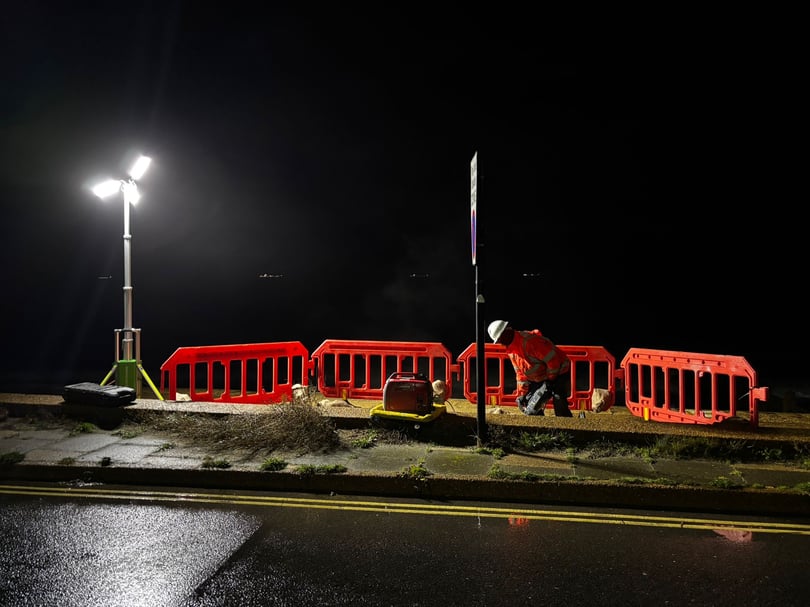
Discover how battery powered lights are revolutionising the construction sector by driving sustainability, enhancing efficiency, and reducing environmental impact.
The Rise of Battery Powered Lighting in Modern Construction
The drive towards zero emission construction sites in the United Kingdom has never been more pronounced. As the UK government intensifies its push for decarbonisation, construction companies are under increasing pressure to minimise their environmental footprint. Diesel-powered lighting, once the industry staple for site illumination, is now being rapidly phased out in favour of cleaner, more sustainable alternatives. The adoption of battery powered lighting systems is at the forefront of this transformation, symbolising a broader commitment to greener construction practices.
The shift is propelled by both regulatory mandates and a growing industry recognition of the need for sustainability. The UK’s Construction Playbook, along with sector-specific guidance from the Environment Agency and various local authorities, explicitly calls for a reduction in diesel use and the implementation of zero emission technologies. Battery powered lights, leveraging advancements in lithium-ion technology and ultra-efficient LED modules, are emerging as a practical and effective solution for site managers keen to future-proof their operations and remain compliant with government expectations.
Key Sustainability Benefits for Construction Projects
Transitioning from diesel-powered to battery powered lighting yields substantial sustainability gains for construction projects. Firstly, battery powered lights produce zero on-site emissions during operation, directly supporting the government’s net zero objectives and helping organisations meet their own sustainability targets. This is particularly relevant for projects seeking BREEAM or LEED certification, where every aspect of carbon reduction counts.
Battery lighting reduces the risk of fuel spills and environmental contamination which is a persistent issue with diesel generators. With integrated energy management systems, modern battery powered lights optimise energy usage, ensuring minimal waste. They can often be recharged using renewable energy sources such as on-site solar or wind, further reducing the overall carbon footprint of construction activities. These innovations collectively drive a more circular, responsible approach to resource management on construction sites.
Improving Site Efficiency and Safety with Portable Illumination
Battery powered lighting brings marked improvements in both operational efficiency and site safety. Unlike traditional diesel units, battery powered lights are compact, lightweight, and highly portable, allowing quick deployment and repositioning as site conditions change. This flexibility is invaluable on large or dynamic projects, where lighting needs can shift rapidly.
From a safety perspective, battery powered lights offer several advantages. The elimination of exhaust fumes and high surface temperatures reduces health risks for workers and minimises fire hazards. Many modern units feature advanced LED technology, delivering high-quality, uniform light that significantly improves visibility and reduces the likelihood of accidents. Integrated smart controls allow for automated light adjustment, motion sensing, and remote monitoring—ensuring optimal illumination at all times while conserving battery life.
Tackling Industry Challenges: Reducing CO2 Emissions and Maintenance
One of the core challenges facing the construction sector is the reduction of CO2 emissions from temporary site operations. Diesel generators, frequently used to power traditional lighting, are a significant source of greenhouse gases and air pollutants. By replacing these with battery powered alternatives, companies can dramatically cut on-site emissions, supporting both regulatory compliance and broader environmental goals.
Maintenance represents another significant concern for construction managers. Diesel-powered lighting systems require frequent refuelling, servicing, and repair—leading to increased downtime and higher operational costs. In contrast, battery powered lights, especially those using advanced LED modules, are designed for longevity and reliability. Their low maintenance requirements translate into fewer site disruptions and improved project timelines, allowing teams to focus resources on core construction activities rather than equipment upkeep.
Future Innovations: The Role of Battery Powered Lighting in Sustainable Development
The future of battery powered lighting in construction is bright, driven by ongoing advancements in energy storage, LED efficiency, and smart controls. As battery technology continues to improve, we can expect longer runtimes, faster charging cycles, and greater integration with site-wide energy management systems. The adoption of modular lighting solutions will further enhance flexibility, allowing construction managers to scale illumination in line with project demands.
Battery powered lights are also poised to play a pivotal role in the broader digital transformation of construction sites. Integration with IoT platforms enables real-time monitoring of energy usage and predictive maintenance, ensuring optimal performance and resource allocation. As the industry moves towards fully electric, connected sites, battery powered lighting will be integral to achieving true zero emission operations—solidifying its place as a cornerstone of sustainable development in the built environment.