Transform your construction site operations by integrating energy efficient lighting solutions that...
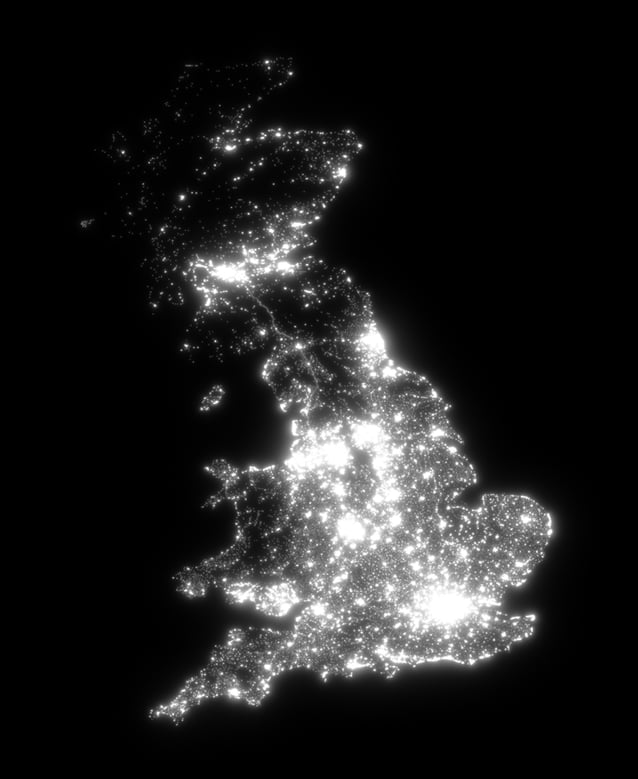 Light pollution is often treated as a background issue in climate action - a symptom of a larger issue. But at the recent COP30, it did not stay in the shadows.
For facilities, estate and sustainability teams, lighting sits right at the point where climate policy, energy costs and day-to-day operations meet. As governments look for practical ways to cut emissions quickly and affordably, how we light our buildings, streets, sports facilities, and public spaces is on the agenda, and the effects of these lighting solutions are of growing consideration.
Why is lighting on the table at COP30?
There are four main reasons why lighting is attracting attention in climate discussion:
-
- Energy use: Lighting accounts for up to 40% of a building's electricity use, depending on the type of site. In warehouses, sports halls, arenas, and external yards – figures can be even higher! Cutting lighting demand is one of the fastest ways to reduce a site's overall energy consumption. (See our post on National Cut Your Energy Costs Dayto learn more about LED upgrades and smart controls to reduce energy usage).
- CO₂ Emissions: Every kilowatt-hour of electricity saved is a reduction in associated carbon emissions. For organisations with net zero targets, lighting is a tangible, measurable level to pull. At COP30, creating urban decarbonisation goals involved modernising lighting systems with LED upgrades and correct management.
- Light pollution: The reason why COP30 has made an impact on the lighting sector this year. Poorly designed or outdated lighting wastes energy and creates unnecessary light pollution, affecting biodiversity, dark skies, and local communities. Improving optics controls and light quality is increasingly seen as part of responsible environmental management.
What do we need to know about light pollution?
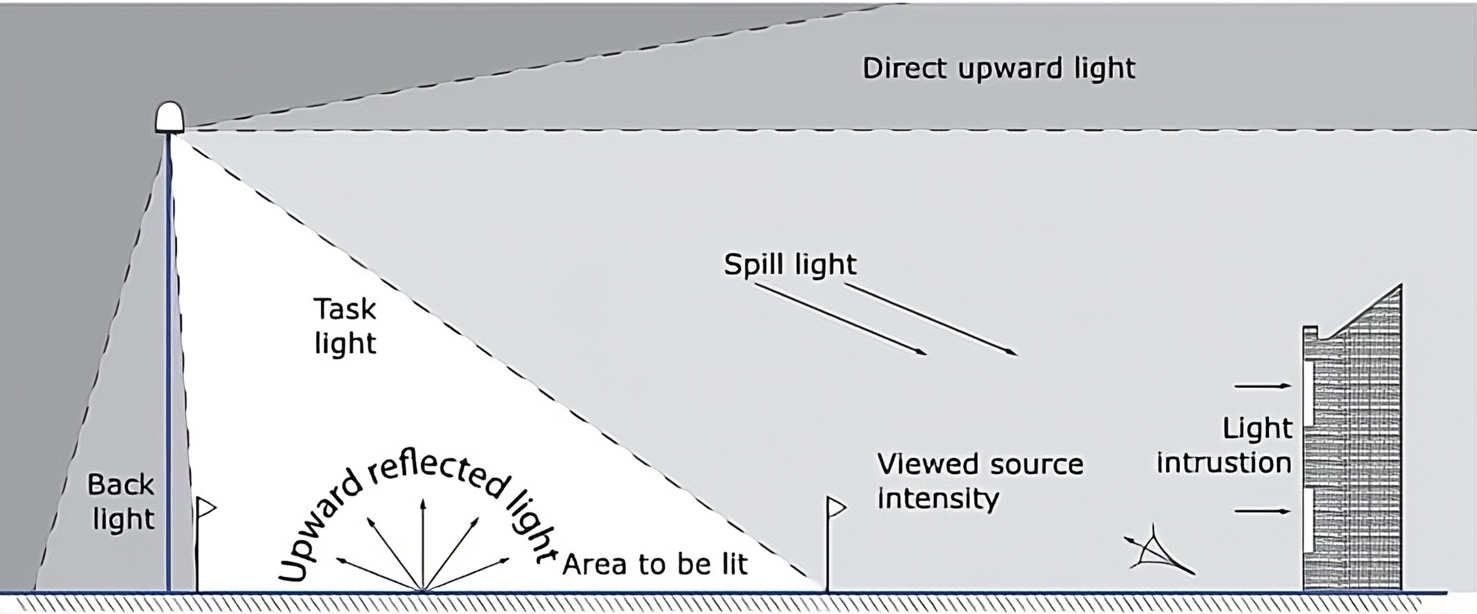
Light pollution, including obtrusive light, is artificial light that causes annoyance, discomfort, or harm by shining where it is not wanted or needed. While lighting is essential for safety and visibility, poorly designed lights become intrusive.
There are five main types of obtrusive light:
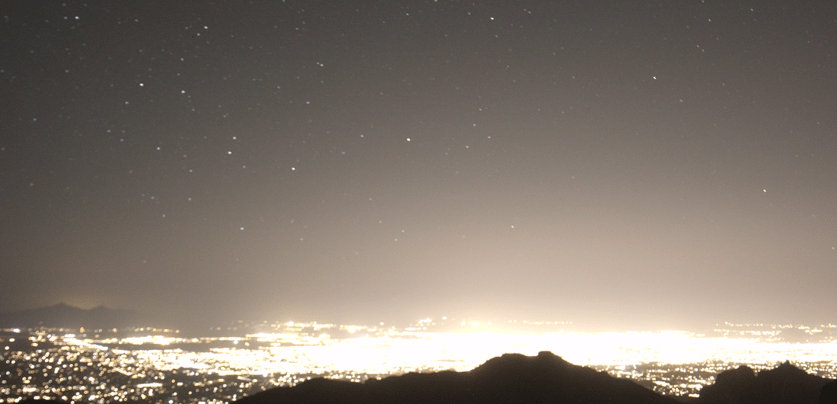
- Skyglow: The brightening of the night sky over inhabited areas caused by light scattering in the atmosphere. The glow seen over cities hides the night sky.
- Light trespass: Light spilling beyond its intended area, into someone else's property or space
- Glare: Excessive brightness that causes visual discomfort or reduces visibility
-
Clutter: An excessive group of bright, confusing lights
-
Light source intensity: This describes luminous power; how much light energy it emits per second. Depending on the distance and direction of the observer, its perceived intensity decreases as per the inverse square law (determining intensity for any source which spreads its influence without limits). If you have determined the amount of light per unit area reaching 1 metre, then it will be one-fourth as much at 2 metres.
There are several factors impacted by the presence of obtrusive light: environmental, human health, and energy costs. In the environment, wildlife behaviour can be artificially altered, impacting the local ecosystem of any area. Researchers at Cranfield University found that light pollution at night increases ecosystem respiration (when microbes, plants or animals release carbon dioxide through activity and growth) without any evidence of increased photosynthesis to counteract it. Excess light pollution impacts human sleep patterns, increasing the risk of insomnia and fatigue – negatively affecting mental health.
When light is wasted, so is energy, and so is money! It is estimated that approximately 30% of outdoor lighting is wasted, increasing carbon emissions beyond what is necessary.
Light pollution can feel like a symptom of the greater issue of urbanisation; it can be managed on small and large scales.
"Light pollution is one of humanity's most visible environmental changes, but its impacts are often hidden."
(Dr. Alice Johnston, Cranfield University)
What existing measures are there to prevent light pollution?
The Institute of Lighting Professionals (ILP) have created guidance on what is considered acceptable based on the local environment.
| Zone | Surrounding | Lighting environment | Examples |
| E0 | Protected |
Dark (SQM 20.5+) |
Astronomical Observable dark skies, UNESCO starlight reserves, IDA dark sky places |
| E1 | Natural | Dark (SQM 20 to 20.5) | Relatively uninhabited rural areas, National Parks, Areas of Outstanding Natural Beauty, IDA buffer zones, ect. |
| E2 | Rural | Low district brightness (SQM ~15 to 20) | Sparsely inhabited rural areas, village or relatively dark outer suburban locations |
| E3 | Suburban | Medium district brightness | Well inhabited rural and urban settlements, small town centres of suburban locations |
| E4 | Urban | High district brightness | Town/city centres with high levels of night-times activity |
| Light technical parameter | Applications conditions | E0 | E1 | E2 | E3 | E4 |
| Illuminance in the vertical plane (Eᵥ) | Pre-curfew | n/a | 2lx | 5lx | 10lx | 25lx |
| Illuminance in the vertical plane (Eᵥ) | Post-curfew | n/a | <0.1lx* | 1lx | 2lx | 5lx |
*If the installation is for public (road) lighting then this may be up to 1lux. Limits apply to nearby dwellings / premises or potential dwellings / premises and specifically windows. The values are the summation of all lighting installations.
The current guidelines designate areas by their environment, which provides a maximum lux level allowed on a vertical plane. For example, E0 are protected, dark-skies zones and will not allow for any light on the vertical plane, whereas E4 are urban environments and allow for up to 25 lux on the vertical plane (pre-curfew). These protections ensure that local human and animal habitats are not disturbed.
We already have measures in place that prevent light pollution in all areas.
- Shielding: Equipping the luminaires with shield in ideal positions can help reduce or eliminate light source intensity issues, glare and spillage
- Use of controls: Incorporate controls such as motion sensors, photocells and timers will limit the operational time to only when it is required
- Appropriate colour temperature: Traditional white LEDs produce a broader spectrum of light, with a shorter wavelength, blue light scatters more easily in the air, contributing to skyglow. Using warmer colour temperatures (3000K or lower) can significantly reduce skyglow
- Lensing and positioning: With a combination of positioning light sources parallel to the ground, and using specialist asymmetric lenses, you can effectively eliminate wasted light leading to skyglow
- Using the right light for the job: One of the most common causes of obtrusive light is using the wrong type of luminaire. This can cause problems whether it's an over specified light of a cheap fitting with the wrong lensing
The scale of opportunity in lighting
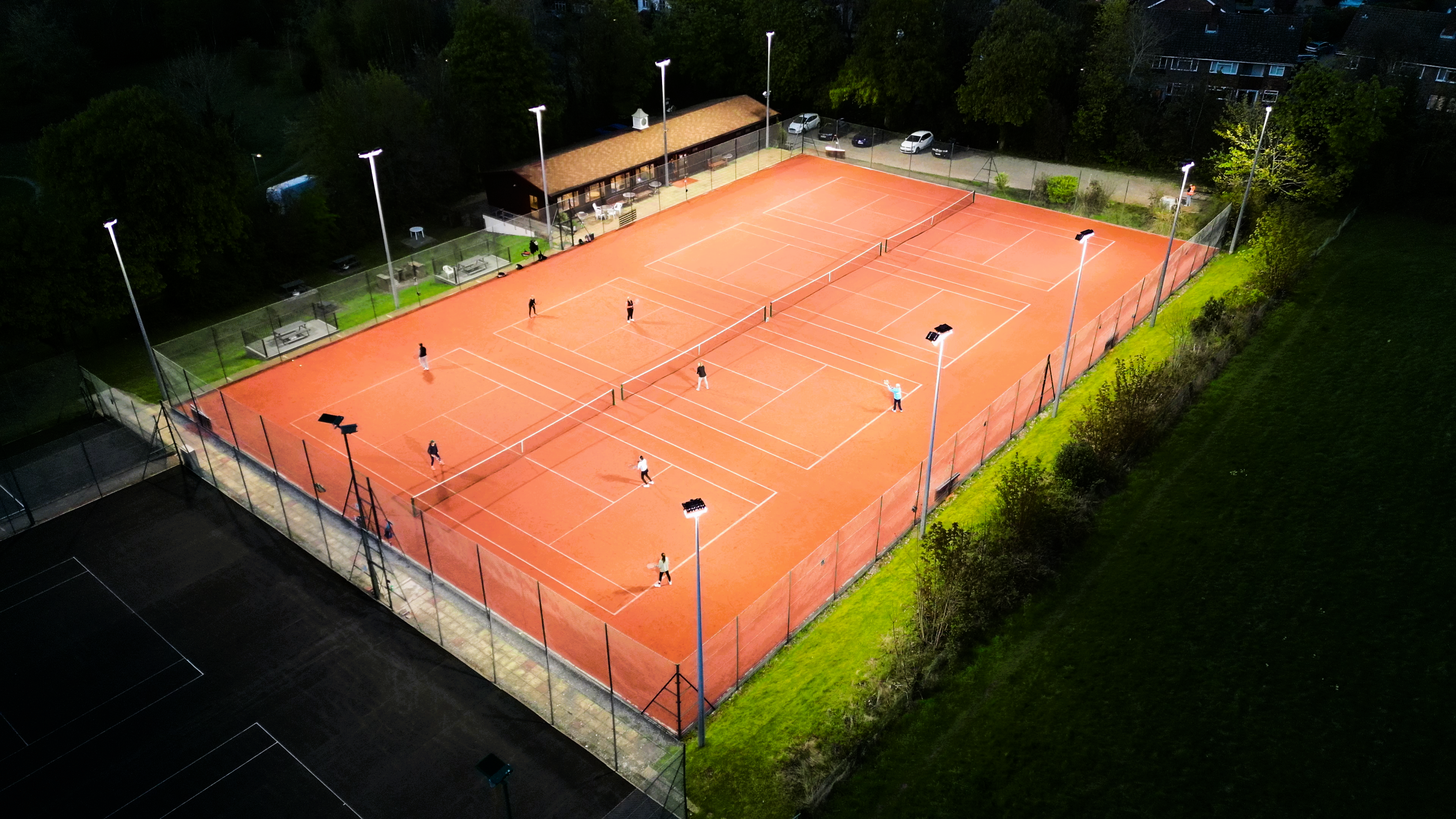
Despite years of progress, a significant proportion of lighting in the UK , especially in sport facilities, agriculture, municipal estates, and older commercial stock is still based on fluorescent tubes and compact fluorescents, high-pressure sodium and metal halide fittings, and ageing or poorly specified 'first generation' LEDs.
For many sites, upgrading to modern, high performance LED with appropriate controls can:
- Cut lighting energy usage by between 50% and 80%
- Reduce maintenance visits and replacement costs
- Improve visibility, safety and the quality of the working environment
- Support compliance with current and future building and environmental standards
When policymakers look for large, near term carbon savings that are technically straightforward, lighting is an obvious goal to reach. That's why it has featured in the conversations leading up to and during COP30.
What policymakers are likely to push for
While the impact of these COP30 discussions has yet to be seen on the global stage, we can expect the standards for external lighting design to be practised with a more cautious approach with regard to light pollution:
-
Tighter efficiency standards: minimum performance requirements for new luminaires will continue to rise. Products that only just meet today's standards may fall short in a few years.
- Phase-out of inefficient technologies: the removal of many fluorescent lamps from the market is one example. Further phase-out of older, inefficient luminaires is likely as governments align to meet climate goals.
- Better reporting and disclosure: organisations may be expected to demonstrate how they are cutting operational emissions, including through upgrades to major energy using systems such as lighting. Simulating and recording light pollution before and following an installation may become standardised.
- Support for smart controls and data: efficient light fittings and affective shielding isn't all that is needed. There's growing recognition that occupancy sensing, daylight dimming and smarter scheduling are essential to maximising savings and managing demands.
- Focus on quality and longevity: moving to LED is not enough on its own. Policymakers are increasingly aware that poor quality, short-lived retrofits create waste and undermine the environmental case for change.
High quality LED projects versus low-cost retrofits
In this context, the difference between a well engineered LED project and the cheapest possible retrofit is more important than ever.
A high-quality project typically:
- Starts with a proper survey and design, tailored to how the space is actually used
- Chooses fittings that match the environment and application, from sports lighting and external columns to corrosive or dusty agricultural buildings
- Integrates controls where they will deliver value without compromising safety or usability
- Delivers consistent, appropriate light levels that support productivity, safety and compliance
- Uses products with proven performance data, robust construction and sensible thermal management
- Is backed by a realistic, well-structured warranty and clear aftercare
A low-quality retrofit often:
-
Swaps 'old for new' on a one-for-one basis without revisiting the design
- Uses low-cost luminaire with limited testing, shallow warranties and inefficient lensing
- Ignores controls for applies them in a way that will frustrate the end users and ends up bypassed
- Leaves you exposed to early failures, patchy performance and the need to reinvest sooner than planned
With lighting increasingly linked to climate commitments, it's not just a purchasing decision – it's a strategic decision. A poor retrofit may tick one box today but fall short of expectations by the time COP31 arrives.
 What this means for your next lighting project
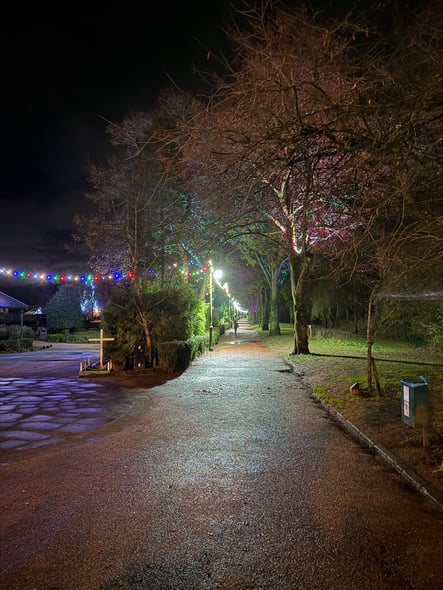
Well-lit streets, parks and outdoor leisure facilities encourage the use of bicycles, public walkways and public transportation and add safety to our outdoor spaces. In the climate agenda, public lighting appears as an ally of sustainable travel, from road safety to emissions reduction. Encouraging night-time leisure activities, physical activity and social interaction and promoting safer, healthier and more inclusive cities are all fundamental conditions for social sustainability.
Artificial lighting can impact biodiversity; sustainable projects consider reducing light pollution and using technologies that encourage the respect of the life cycle of flora and fauna. Sustainability must be integrated. New research has revealed, for the first time, the full extent of how Artificial Light At Night (ALAN) is increasing carbon released by plants and animals. Without an increase in the carbon they absorb. The result is reduced carbon storage in ecosystems, which has major implications for climate models and global carbon budgets. COP30 was a historic opportunity to align lighting policies with global climate neutrality goals.
To make sure your next project stands up to it, it is worth asking:
-
Does this design genuinely minimise energy usage while delivering the light my site needs?
- Are we choosing products that will look credible against future standards?
- Have we balanced cost against long-term performance, maintenance and risk?
- Is the supplier able to demonstrate sector-specific experience and a track record of what they are promising?
Future-proof your lighting in line with COP30 goals
Lighting may only be one piece of the net zero puzzle, but it is a piece you can control and one that can deliver substantial benefits quickly.
If you’d like to make sure your next lighting project is ready for the expectations and opportunities that COP30 will bring, speak to a Carbon8Lighting specialist. We’ll help you assess your current estate, design a high-performance, low-risk solution, and ensure your lighting supports your wider climate and operational goals for the long term.